
Key Takeaways
- Self defense training can be intimidating for beginners, but it’s important to prioritize accessibility for new practitioners.
- Awareness is crucial; understanding your surroundings and recognizing potential threats can help prevent dangerous situations.
- Prioritize your health and fitness to effectively respond to stressful encounters and execute self-defense techniques.
- Avoid risky situations by anticipating danger and making conscious decisions to stay safe and in control.
- Keep self-defense techniques simple; reliable methods are easier to remember and execute under pressure.
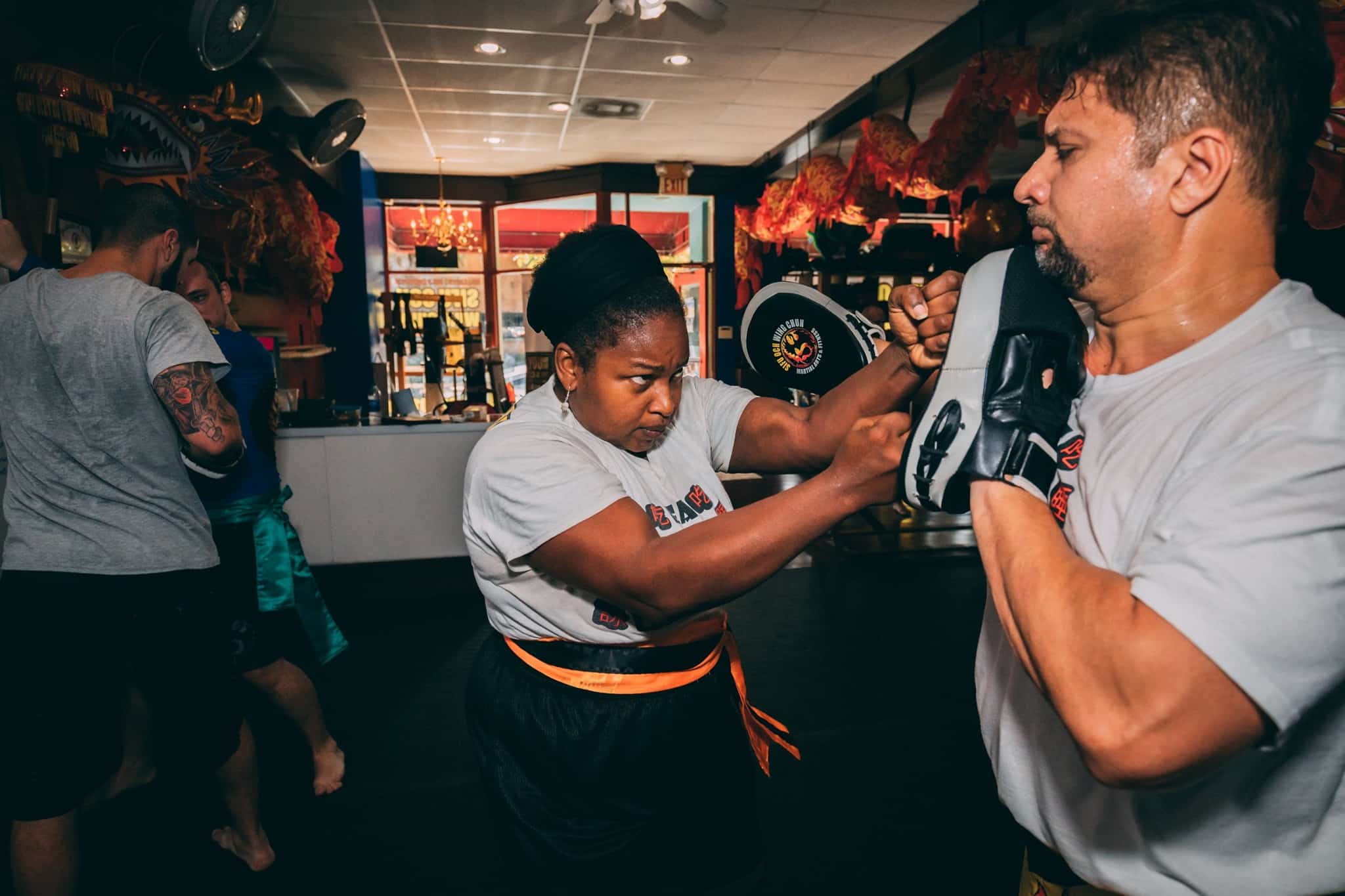
Self Defense training can be intimidating to those first starting. We here at Sifu Och Wing Chun prioritize accessibility to individuals just starting out, or even practitioners of other martial arts who are looking to make the transition to Wing Chun Kung Fu. Below we’ve listed 5 general self defense tips for those looking to improve their sense of safety.
Tip 01: Be Aware
Awareness is one of the most fundamental and effective skills in self-defense, yet it is often overlooked in favor of physical training. At its core, awareness means understanding your surroundings, recognizing potential threats, and making conscious decisions to stay safe. Unlike punches or kicks, awareness works before a situation escalates, giving you the chance to avoid danger altogether.
Good safety habits start with you, so think about your awareness in public spaces. Oftentimes, people will be looking at their phones, wearing headphones to drown out noise, reading, or distracted by something happening around them to keep an eye out for potential threats.
Situational awareness begins with paying attention. This includes noticing who and what is around you, identifying unusual behavior, and staying mentally present instead of distracted some of the above mentioned behaviors. Many dangerous encounters are preceded by warning signs. This includes things like: someone lingering too close, following at a distance, or behaving unpredictably. Recognizing these cues early allows you to create distance, change direction, or seek help before a threat becomes immediate.
Awareness also involves understanding context. Different environments carry different levels of risk, whether it’s a quiet parking garage, a crowded event, or an unfamiliar neighborhood. By adjusting your level of alertness accordingly, you reduce the chances of being caught off guard. This doesn’t mean living in fear; rather, it means maintaining a calm, observant mindset that balances caution with confidence.

Tip 02: Prioritize Your Health
General fitness is a strong ally when practicing safe self defense habits. Your ability to run, push heavy weight, jump, and use your body in times of stress is an important aspect of self defense. Health and fitness are foundational, often making the difference between being able to respond decisively or becoming overwhelmed in a moment of danger or stress.
While techniques and strategies matter, they rely heavily on the body’s ability to execute them under stress. Strength, endurance, mobility, and overall conditioning directly influence how well someone can move, react, and sustain effort during a confrontation. Muscle memory is important, but the ability to use those muscles? Even moreso.
Cardiovascular fitness is a key factor. Real-life encounters are physically demanding and can quickly elevate heart rate and also quickly tire you out. A person who is easily winded may struggle to think clearly or act effectively after just a few seconds of physical stress/use.
Similarly, muscular strength and endurance improve one’s ability to break free from holds, maintain balance, or create enough force to disengage and escape. Flexibility and mobility reduce the risk of injury and allow for quicker, more fluid movement in unpredictable situations. You can learn every technique in the world, but without the ability to execute them, that knowledge is useless.

Tip 03: Don’t Court Danger
This seems obvious, but sometimes, even the most obvious advice can elude us in times of complacency. Similar to tip 01, awareness, learning how to avoid danger is a very overlooked aspect of self-defense.
The ability to recognize, anticipate, and steer clear of risky situations is a far more reliable way to stay safe. Avoidance shifts the goal from reacting to threats to preventing them altogether, which significantly reduces the likelihood of harm.
Different from generally awareness though, danger-avoidance involves decision-making and boundary setting. For instance, habits like: choosing safer routes, trusting intuition when something feels off, and confidently removing oneself from uncomfortable situations are all critical skills. This might mean leaving a location earlier than planned, declining certain invitations, or positioning oneself near exits and populated areas. Remember though, these decisions are not about fear, but about maintaining control over one’s environment.
Ultimately, self-defense is not just about what happens during a confrontation, but about reducing the chances of a situation happening at all. By practicing avoidance, you can strengthen your ability to navigate the world with confidence and foresight. This proactive approach supports both physical safety and peace of mind, and isn’t that what self defense is all about?

Tip 04: Build Instincts
A key to self defense training is muscle memory and quick reaction times. Building instincts is a key element of effective self-defense training. Dangerous situations unfold too quickly for deliberate, step-by-step thinking. When confronted with sudden danger, the body reacts before the mind has time to analyze. Training that develops instinctive responses allows a person to act immediately and appropriately, without hesitation or confusion.
Instincts in self-defense are not something people are simply born with. They are built through consistent, focused repetition. Practicing fundamental movements such as maintaining balance, protecting the head, creating distance, and disengaging from threats helps condition the body to respond automatically. Over time, these repeated actions become second nature, reducing the need for conscious thought in high-pressure moments. If you don’t know where to start, our self defense professionals can help you get started.

Tip 05: Keep It Simple
It’s tempting to invest in the latest self defense gear, or practice complicated/flashy techniques, but simplicity is key to building useful skills. In high-stress situations, the body and mind do not perform at their best. Your fine motor skills will deteriorate, your reaction time slows down, and complex thinking becomes almost impossible when you’re actually in danger.
Techniques that may feel effective in training can quickly fall apart. Especially if such techniques rely on precision and a clear head for information recall. By keeping things simple, you can ensure that what you’ve trained on is what you can actually use when it matters most.
It’s tempting to focus on cool and flashy techniques, but at the end of the day you’re going to revert to whatever is most instinctual. Simple self-defense focuses on a small number of reliable techniques/strategies that are easy to remember. These might include: basic strikes, straightforward escapes from common grabs, and clear objectives like creating distance. If you’re interested in learning more, Sifu Och Wing Chun can help you build these powerful foundations. By limiting the number of techniques, individuals can practice them more frequently and develop stronger muscle memory, increasing the likelihood of success under pressure.


Want to Get Started?
More than just a martial art; it’s a way of life. At Sifu Och Wing Chun Kung Fu Academy, we help students harness their full potential, both physically and mentally. Whether you’re looking to master martial arts techniques or improve your self-defense skills, we’re here to guide you on your journey.
RELATED ARTICLES: