
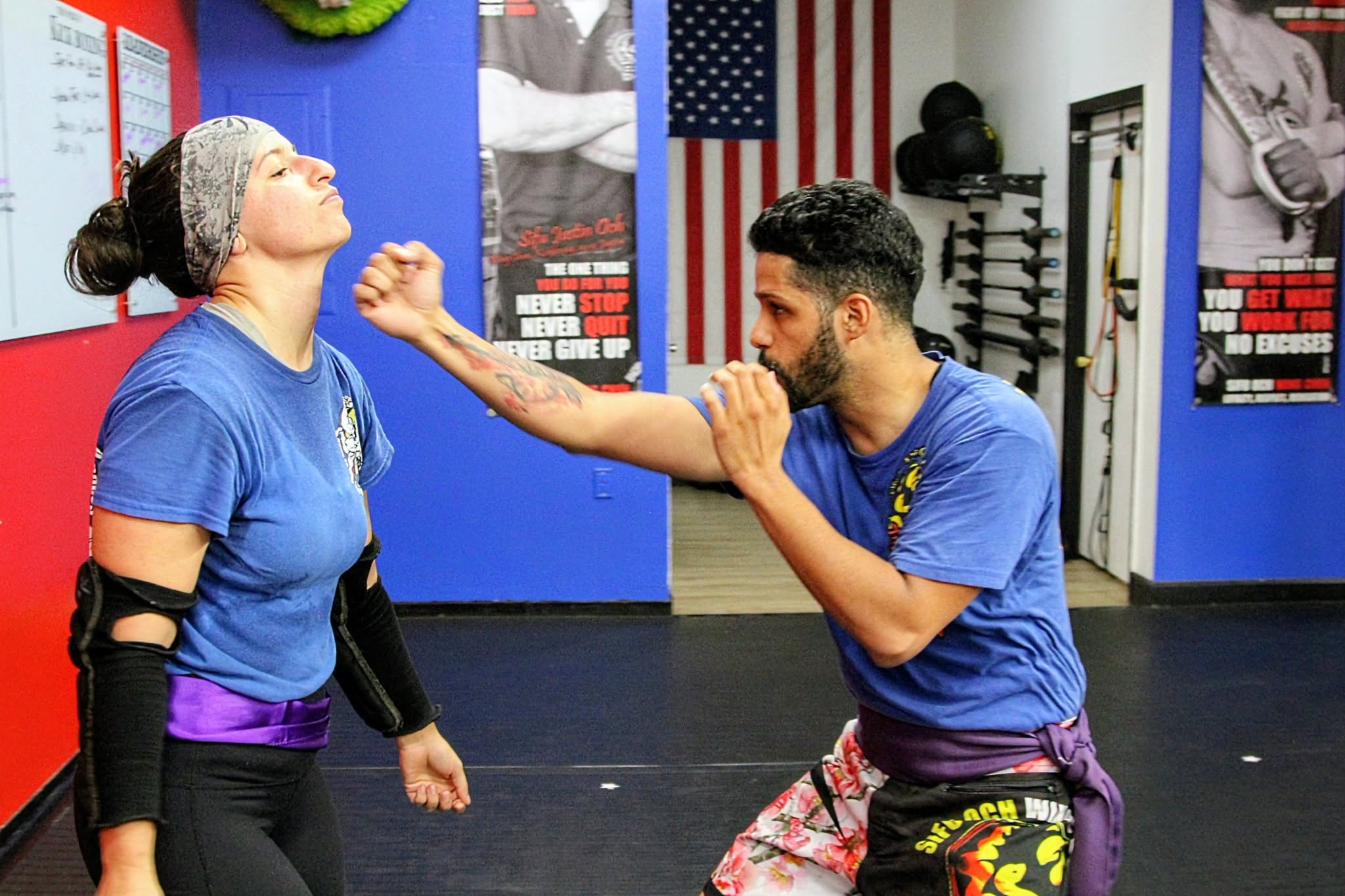
Wing Chun is one of the world’s most recognizable Chinese martial arts. Its distinctive close-range techniques, vertical punches, Chi Sao (sticky hands), wooden dummy training, and compact movements have attracted practitioners around the globe. At the same time, Wing Chun is surrounded by plenty of myths and misconceptions.
Some come from movies and popular culture. Others come from exaggerated martial arts marketing, while some simply come from seeing Wing Chun training without understanding what the exercises are designed to accomplish. So, what is Wing Chun really about?
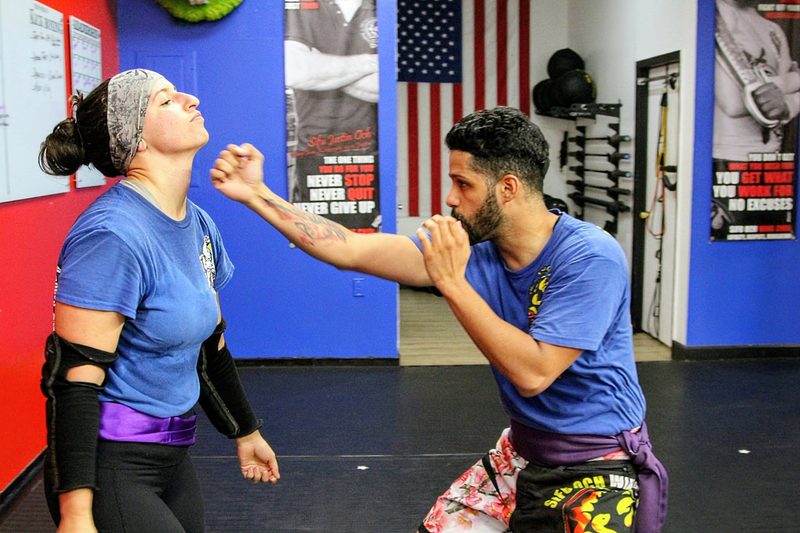
Think You Know Wing Chun? 7 Myths That Need to Be Debunked
Let’s take a closer look at seven of the most common misconceptions about Wing Chun and separate the reality from the mythology.
1. The Best Techinque is Just Chain Punching
If you’ve watched a Wing Chun demonstration online, you’ve probably seen the famous rapid-fire punches. Because they’re so visually distinctive, it’s easy to assume that Wing Chun is essentially a system of throwing as many straight punches as possible. That’s far from the complete picture.
Chain punching is certainly an important part of many Wing Chun lineages, but it is only one component of a much larger system. Wing Chun training can include striking, kicking, footwork, trapping, positional control, sensitivity exercises, forms, weapons, and training with the wooden dummy.
More importantly, the punches aren’t supposed to exist in isolation. Good Wing Chun training emphasizes concepts such as controlling the centerline, maintaining balance, occupying advantageous positions, and responding to an opponent’s movement.
2. Chi Sao is Sparring
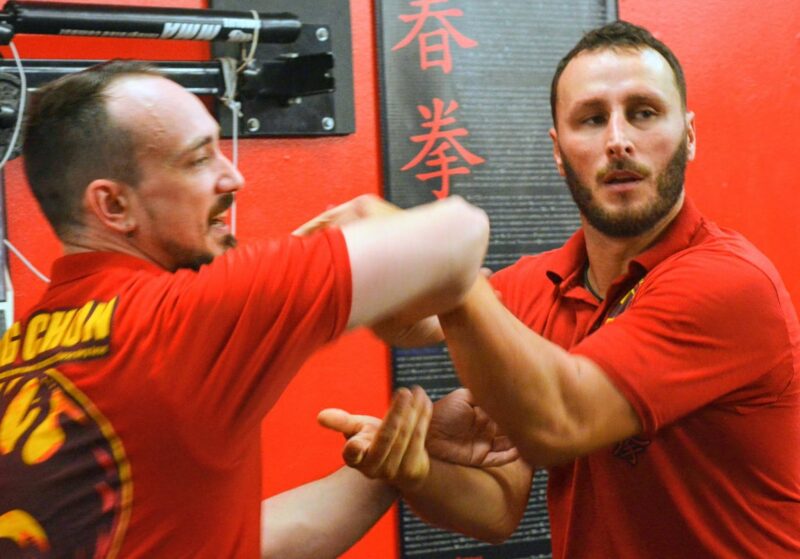
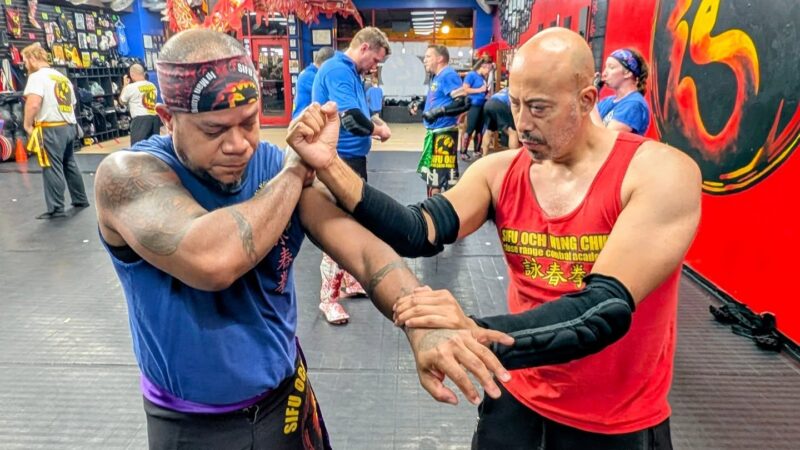
Chi Sao, or “sticky hands,” is probably the training method most associated with Wing Chun. Two practitioners maintain contact with their arms and perform various movements designed to develop sensitivity, timing, positioning, and reactions. However, Chi Sao shouldn’t automatically be considered a substitute for sparring.
Chi Sao is a specialized training exercise. Because the practitioners begin from a relatively predictable position and maintain contact, it allows them to explore reactions and movement that would be difficult to isolate during unrestricted sparring. That makes it valuable—but it also has limitations. A person can become extremely good at cooperative Chi Sao without necessarily being prepared for an opponent who punches, kicks, changes distance, shoots for a takedown, or simply refuses to play the expected game. The best way to understand Chi Sao is as one training tool among many, rather than Wing Chun fighting itself.
3. Don’t Use Strength
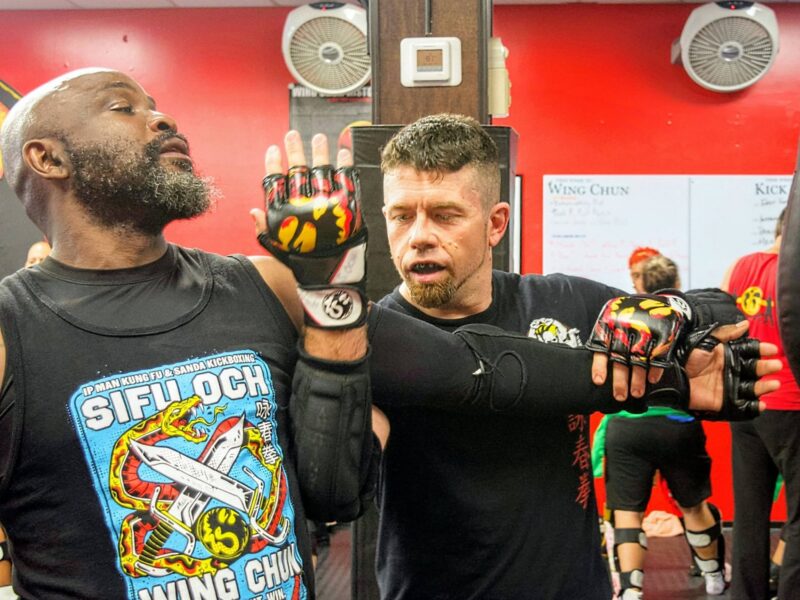
You’ll often hear that Wing Chun is based entirely on technique rather than strength. There is some truth behind the idea, but taken literally, it becomes misleading. Wing Chun places considerable emphasis on structure, alignment, positioning, and efficient use of force. These qualities can allow a practitioner to use their body more efficiently instead of relying exclusively on muscular effort. But strength doesn’t magically become irrelevant because someone practices Wing Chun.
A stronger opponent is still stronger. Physical conditioning, body weight, athleticism, explosiveness, and endurance can all influence a fight. The better interpretation is that Wing Chun attempts to teach practitioners how to use their available physical attributes efficiently, rather than assuming that brute force is always the best solution. Technical skill and physical ability aren’t mutually exclusive.
4. Wing Chun Was Created by a Woman to Defeat Larger Men
One of the most famous stories surrounding Wing Chun involves a Buddhist nun named Ng Mui and a woman named Yim Wing Chun. According to the popular legend, Ng Mui developed the system and taught it to Yim Wing Chun, who subsequently used the art to defeat a larger and stronger opponent. It’s a fascinating story and an important part of Wing Chun culture. Yes it was created by a woman and passed down through women but it is neglecting the assistance from sereral other notiable monks in the Sholin temple that helped to create Wing Chun Kung Fu.
Most notiably Fung Doe Duk (the eldest in learned knowledge), Bak Mei (the Eldest in biological age), Jee Shin and Mew Hin. Ng Mui along with these other influential monks lent their knowledge and understanding of the martial arts to what it is today.
5. Wing Chun Doesn’t Spar
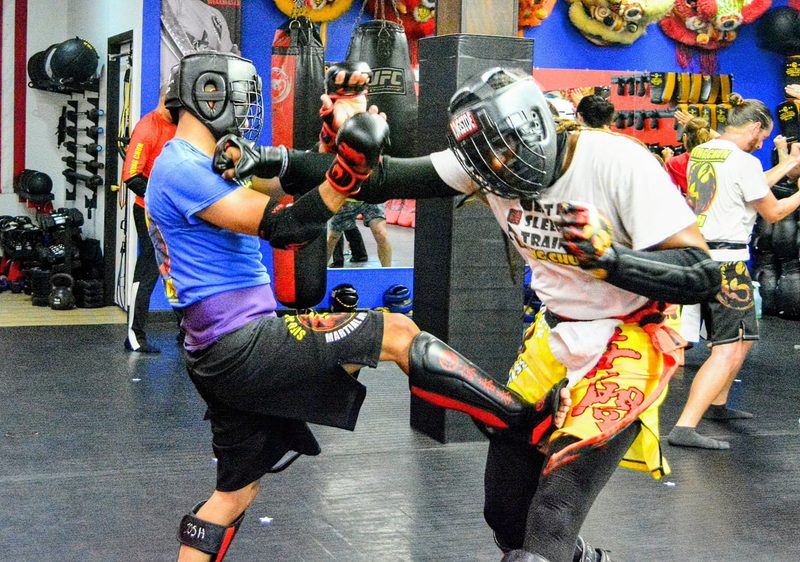
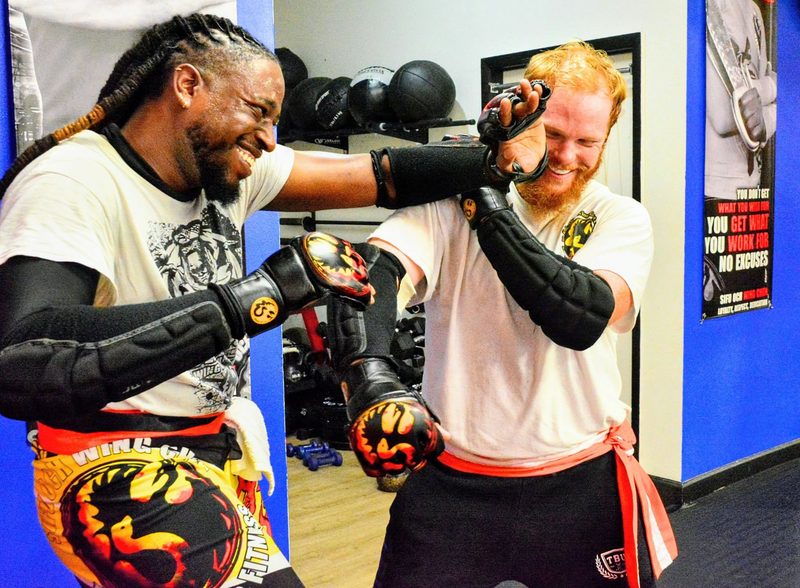
Another common criticism of Wing Chun is that practitioners never spar. This misconception can hurt schools thatdo spar as part of their curriculum. Training methods differ substantially between schools, instructors, and lineages. Some Wing Chun schools incorporate significant amounts of controlled sparring and pressure testing. Others focus much more heavily on forms, drills, Chi Sao, and cooperative training.
That distinction matters. A martial art doesn’t exist independently of the way it is taught. Two schools can technically practice the same style while producing very different training experiences. For anyone interested in learning Wing Chun for practical self-defense or fighting ability, it’s worth observing an actual class.
Ask yourself:
Do students regularly train against realistic resistance?
- Do they practice managing distance?
- Do they experience unpredictable attacks?
- Do they learn how to deal with pressure and fatigue?
Those questions can tell you much more about a school’s practical approach than the name of the martial art on the sign.
6. Wing Chun Gives You Automatic Reflexes
Wing Chun Kung Fu explicitly includes training, drilling, and techniques to enhance your reflexes. Chi Sao can develop excellent tactile sensitivity, timing, coordination, and reactions. But it doesn’t give practitioners magical reflexes. This misconception probably comes from watching highly skilled Wing Chun practitioners respond to pressure almost instantly. After years of training, movements can become highly conditioned. A practitioner may recognize certain changes in pressure or position without consciously analyzing every detail. That’s real skill—but it isn’t supernatural.
It’s similar to what happens in many other sports and martial arts. Experienced boxers learn to recognize punches. Wrestlers learn to feel shifts in balance. Experienced basketball players anticipate movement without consciously calculating every step. Training creates familiarity and efficient reactions. Wing Chun’s tactile training can be particularly useful. Establishing contact does not guarantee that you will automatically detect and defeat every attack; only dedicated training can hone those skills.
7. If You Know Wing Chun, You Automatically Know How to Fight
Perhaps the biggest misconception is also the simplest:
Learning Wing Chun techniques doesn’t automatically make someone a skilled fighter.
Knowing how to perform a Tan Sao, Bong Sao, Pak Sao, Lap Sao, or chain punch is different from successfully applying those movements against someone who is actively trying to hit you. Fighting requires much more than memorizing techniques.
It involves timing, distance management, footwork, composure, conditioning, decision-making, adaptability, and the ability to perform under pressure. This is true of every martial art. A practitioner can know dozens of techniques but struggle when an opponent changes rhythm, attacks from an unexpected angle, closes distance aggressively, or refuses to respond in the way the drill predicts.
Conversely, a practitioner who has trained consistently against resistance may have a much smaller technical vocabulary but possess significantly better practical skills. Ultimately, the quality of training matters enormously.
Understanding Wing Chun Beyond the Myths
Wing Chun doesn’t need exaggerated claims to be interesting. Its emphasis on centerline control, close-range movement, structure, sensitivity, economy of motion, and efficient positioning provides plenty to explore. Like any martial art, however, it has strengths, limitations, different interpretations, and different training cultures.
If you’re considering studying Wing Chun, visit a school. Watch a class. Talk to the instructor. Pay attention to how students train and, most importantly, how the school balances technical practice with realistic resistance.
Wing Chun is neither the magical fighting system that some legends portray nor the useless martial art that some critics claim it to be. Like any martial art, what you get out of it depends greatly on what—and how—you train.