
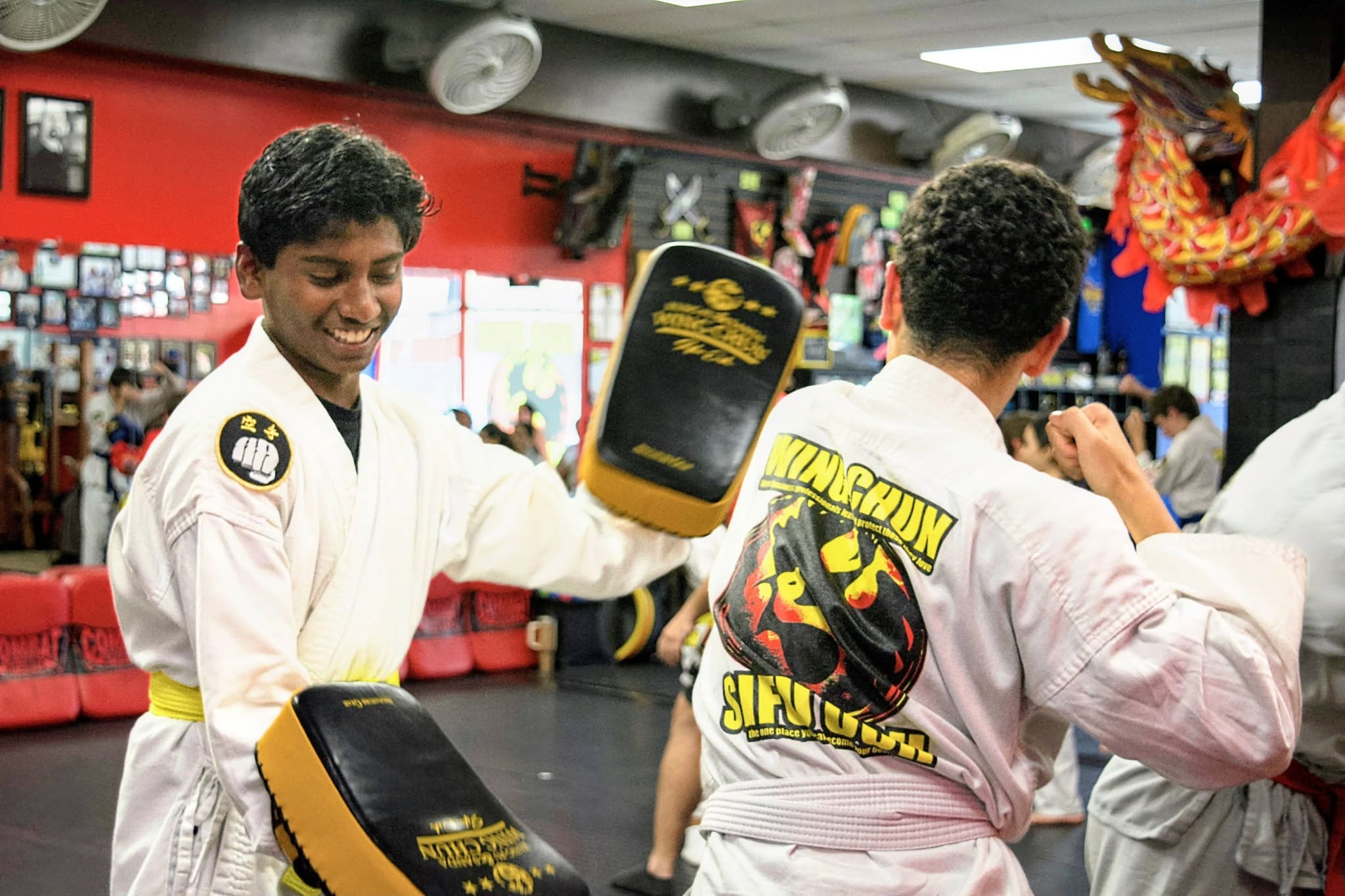
Parents want activities that help their children grow, make friends, and develop skills they can use beyond the classroom. Sports, music, and creative programs all offer valuable opportunities. Martial arts can also provide a structured setting where children practice listening, movement, cooperation, and persistence.
The benefits come from more than learning punches or kicks. A well-run class gives children opportunities to follow instructions, work toward goals, recover from mistakes, and interact respectfully with others. Those experiences can support their development when instructors keep expectations appropriate for each child’s age and abilities.
Kids Martial Arts in Lakeland: Build Confidence, Focus, and Discipline
For families in Lakeland, choosing the right program starts with understanding what martial arts can offer and observing how a school teaches. The quality of instruction, classroom atmosphere, and your child’s comfort should guide your decision.
Kids Martial Arts in Lakeland FL: Benefits Beyond the Training Floor
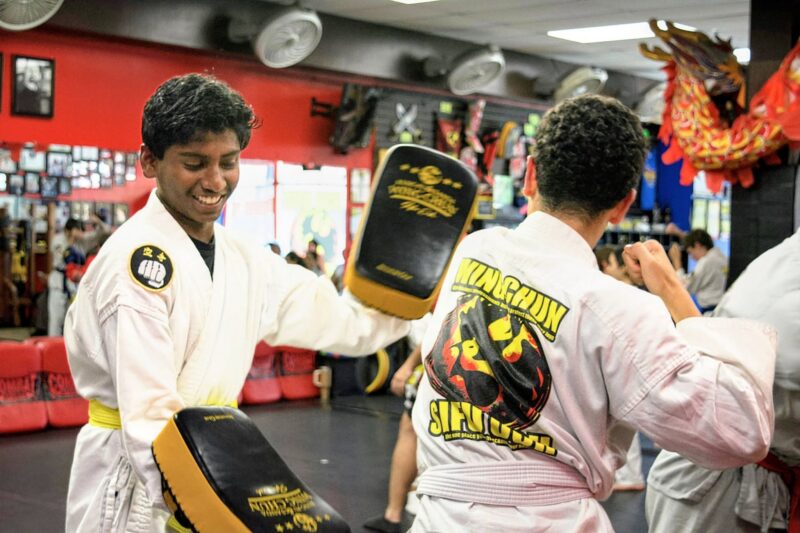
Martial arts classes can combine physical activity with opportunities to practice useful habits. Children learn movements, repeat them, receive feedback, and gradually take on more challenging tasks.
That process gives instructors a practical way to teach patience and responsibility. A child might need to wait for a turn, listen before beginning a drill, or adjust a movement after a correction. These are small actions, but they create repeated opportunities to practice self-control.
Results vary from child to child. Some students enjoy the physical challenge immediately, while others need time to feel comfortable. A supportive program recognizes both and allows children to progress without comparing everyone to the most experienced student.
Confidence Built Through Achievable Progress
Confidence can grow when children discover that practice helps them improve. Learning a new stance or completing a partner exercise provides a concrete accomplishment they can recognize.
The most useful praise connects to effort and progress. Instead of simply telling a child they are talented, an instructor might point out that they kept trying, remembered a correction, or asked for help.
This approach can help children see mistakes as part of learning. A missed movement becomes something to work on rather than a reason to give up.
For a child who feels nervous about joining a group, an early success might be participating in the warm-up or answering a question. Good instructors notice those steps as well as technical achievements.
Focus, Listening, and Self-Control
A martial arts lesson often asks children to watch a demonstration, remember instructions, and put them into action. They must also pay attention to space and the people around them.
These activities provide opportunities to practice focus. Short explanations followed by movement can keep children engaged while helping them learn to listen carefully.
Self-control matters throughout the class. Students need to stop when instructed, use an appropriate level of contact, and wait until a partner is ready.
Parents should look for clear, consistent expectations and respectful corrections. Discipline should help a child understand what to do next. It should not rely on embarrassment or fear.
Physical Activity and Body Awareness
Martial arts can give children an engaging reason to move. Depending on the program, lessons may include footwork, balance exercises, coordination drills, pad practice, and games.
Children have opportunities to explore how their bodies move and how to control those movements. A drill might ask them to change direction, maintain their balance, or coordinate their hands and feet.
The challenge should match the student. Beginners need time to understand unfamiliar movements, and instructors should offer suitable adjustments when necessary.
Enjoyment matters, too. An activity your child looks forward to attending is easier to make part of a consistent weekly routine.
Learning Respect, Friendship, and Personal Boundaries
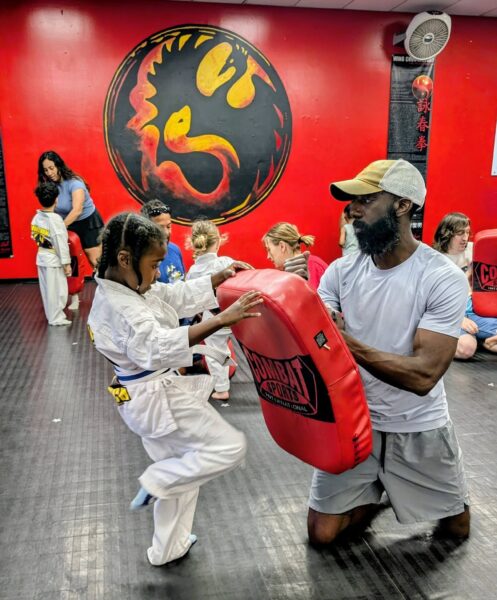
A healthy martial arts environment gives children opportunities to work with others while taking responsibility for their own actions. Partner practice makes cooperation especially important.
Students learn that a good partner follows instructions, respects boundaries, and helps the other person practice. Instructors can reinforce these habits through clear examples and regular feedback.
The classroom should feel welcoming to children with different personalities. An outgoing student and a quiet beginner may participate differently, but both deserve attention and encouragement.
Practicing Cooperation and Respect
Respect becomes meaningful when children can connect it to everyday behavior. Listening while another person speaks, handling equipment carefully, and giving a partner enough space are practical examples.
Partner drills can also teach children to communicate. They may need to ask whether someone is ready, explain that an exercise feels uncomfortable, or request help from an instructor.
Over time, familiar classmates and shared activities can create opportunities for friendship. Those connections should develop naturally within an environment where kindness and inclusion are expected.
Parents can observe whether advanced students help beginners and whether instructors address teasing promptly. The way a school handles those moments says a great deal about its culture.
Understanding Safety and Asking for Help
Children’s self-defense education should include more than physical techniques. Age-appropriate lessons can address personal boundaries, using a clear voice, moving away from trouble, and telling a trusted adult.
Children should understand that they do not have to manage bullying or threatening behavior alone. Asking a parent, teacher, or instructor for help is an important response.
Physical skills require careful supervision and clear limits. A responsible program explains when practice movements belong in class and why students should not use them casually with friends or siblings.
The goal is to help children make sensible choices, recognize when they need support, and build skills gradually.
Choosing a Martial Arts Program for Your Child
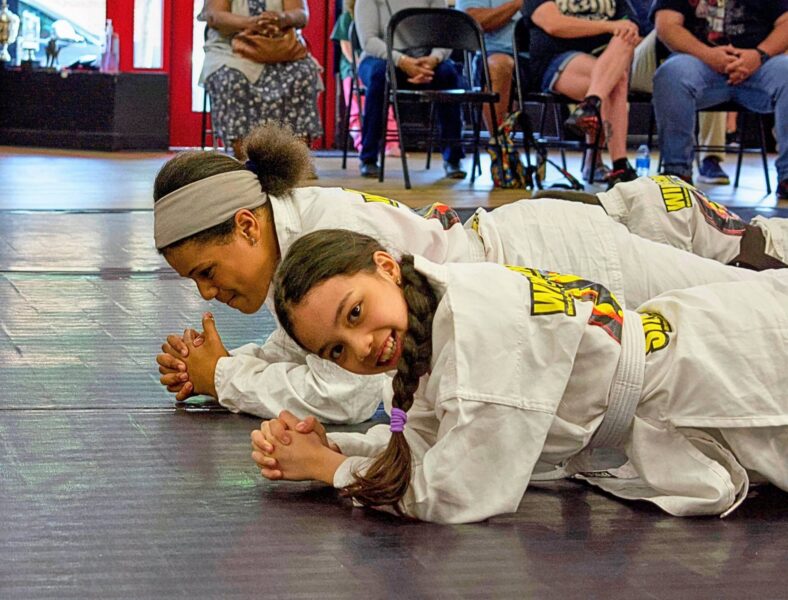
Before enrolling, visit a school and observe a lesson for your child’s age group. Look beyond the promotional description and pay attention to how the class actually operates.
Are instructions clear? Do children receive useful feedback? Does the instructor notice when someone needs help? Are students challenged without being overwhelmed?
An introductory visit also gives your child a chance to meet the instructor and experience the atmosphere. Their reaction can help you judge whether the program feels like a good fit.
Ask About Age Groups and Participation Expectations
Younger children and teenagers often need different teaching approaches. Ask how the school groups students and adapts lessons for their stage of development.
Find out whether sparring is included, whether it is optional, and what supervision and protective equipment are used. You should understand contact expectations before your child participates.
Also ask about class schedules, membership terms, and how beginners get started. A program that fits your family’s routine makes consistent attendance more manageable.
Start With a Clear Goal
Consider what you hope your child will gain. Your priority might be confidence, regular physical activity, listening skills, friendship, or an introduction to self-defense.
Share that goal with the instructor, then give your child time to adjust. Early progress may show up as greater willingness to participate, improved familiarity with class routines, or enthusiasm about practicing a new skill.
If you are exploring children’s martial arts classes in Lakeland, contact Sifu Och Wing Chun to ask about age-appropriate programs and an introductory visit. Meeting the instructors and observing a class can help your family choose an activity your child enjoys and can grow with.