
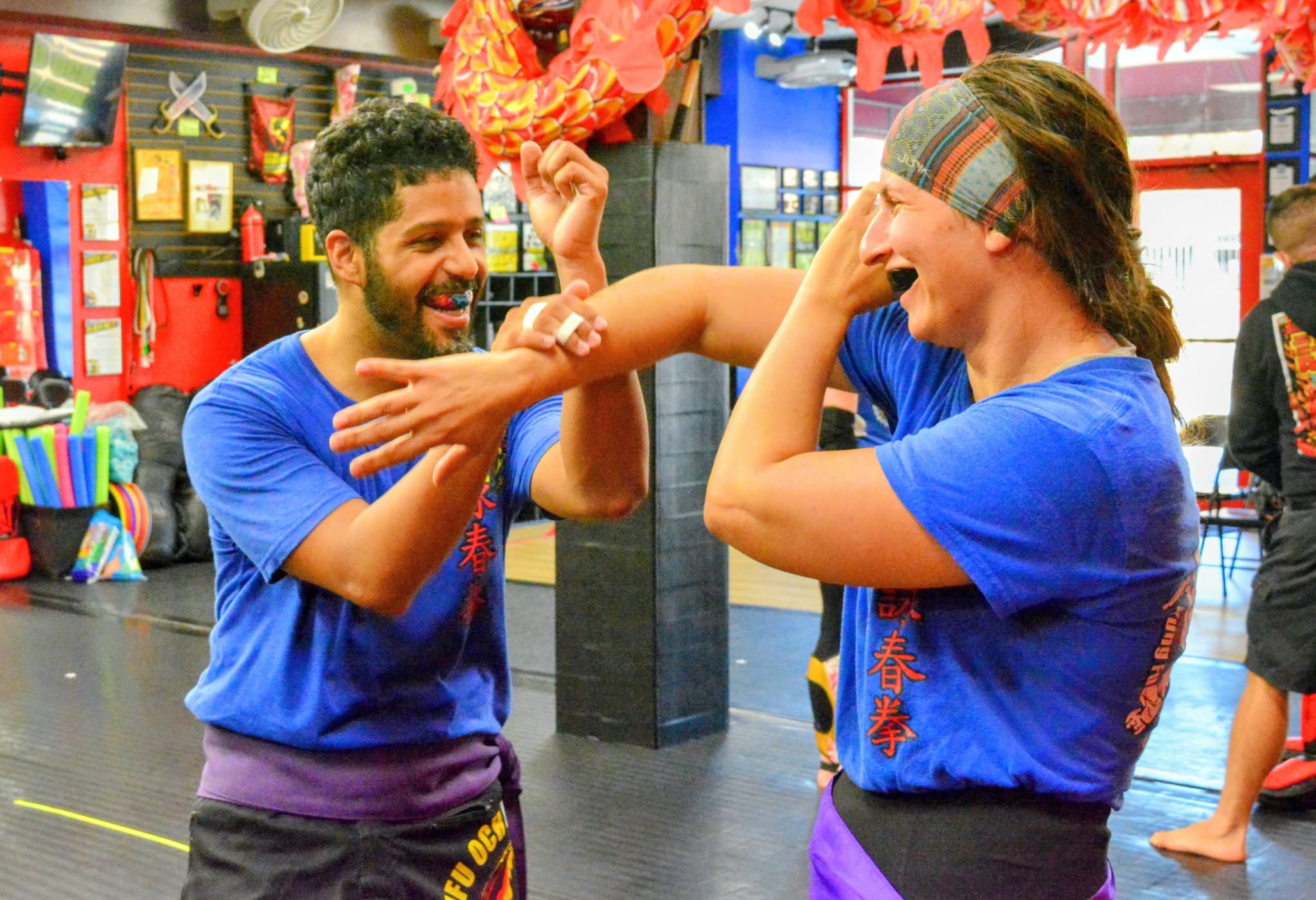
Starting martial arts can feel intimidating, especially if you have never stepped into a training school. You might wonder whether you need to get fitter first, whether everyone else will have more experience, or whether you will be expected to spar during your first lesson.
These are reasonable questions. Learning something unfamiliar takes courage, and the atmosphere of a school can make a difference in how comfortable you feel.
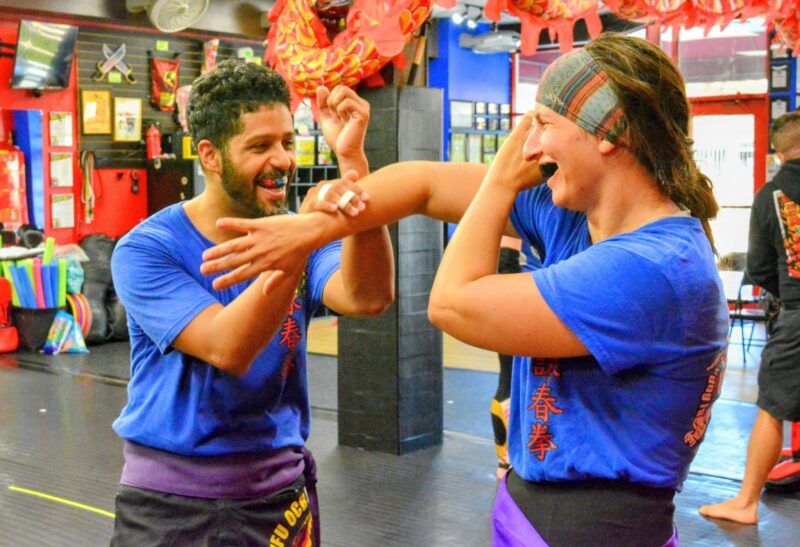
Wing Chun offers beginners an opportunity to learn a martial art through fundamentals, guided practice, and partner exercises. You do not need previous training to begin. What matters is finding instruction that explains movements clearly, introduces challenges gradually, and gives you room to ask questions.
Discover Wing Chun: A Helpful Guide for Complete Beginners
For adults considering martial arts classes in Lakeland, Florida, understanding what beginner training involves can help make that first visit easier.
Is Wing Chun Kung Fu Good for Beginners?
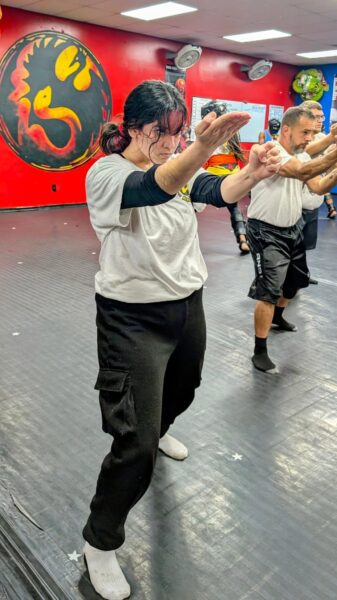
Yes, Wing Chun can be a good choice for beginners and people who have never practiced martial arts. Its fundamentals can be introduced step by step, allowing new students to begin with manageable exercises before progressing to more demanding practice.
You do not have to understand martial arts terminology or arrive with polished coordination. Those are things you develop through instruction and repetition.
However, the school matters as much as the style. A beginner-friendly program should provide clear explanations, appropriate supervision, and realistic expectations. Students should understand what they are practicing and why, even when they cannot perform the movement smoothly yet.
Your first goal is to become familiar with the training. Progress comes from returning, practicing, and building on what you learned.
You Can Begin Without Previous Experience

Having no martial arts background does not prevent you from learning. An instructor can introduce posture, hand positions, footwork, and basic movements without assuming you already know them.
At first, coordinating your hands and feet may feel awkward. You might remember one part of an exercise and forget another. That is a normal part of learning a new physical skill.
Beginners should have permission to learn at a reasonable pace. Asking a question or needing another demonstration should be welcome.
Useful instruction breaks an exercise into smaller pieces and gives you a correction you can apply. Instead of trying to fix everything at once, you can work on one detail and gradually connect the movements.
You Do Not Need to Be Fit Before Your First Class
You do not need to reach a particular fitness level before asking about beginner lessons. A suitable program should explain its physical demands and discuss adjustments when needed.
Training may involve standing exercises, repeated movements, pad work, footwork, and partner drills. How demanding these activities feel depends on the lesson, your current fitness, and the intensity of practice.
Tell the instructor about relevant physical limitations before participating. If you have a health condition or an injury that affects exercise, seek appropriate guidance about what you can safely do.
The aim is to choose a starting point you can manage and build consistency from there.
Fundamentals Give You a Place to Start
Wing Chun commonly emphasizes body structure, balance, efficient movement, and protecting the center of the body. Beginners can explore these ideas through exercises that become more detailed as their understanding grows.
For example, an instructor might first help you establish a stable position, then add a hand movement, and later introduce a partner.
This progression gives you something specific to practice. You can focus on understanding the task instead of feeling that you must immediately perform a complete sequence.
Simple-looking movements still take time to learn well. Familiarity develops through practice, corrections, and experience with different partners.
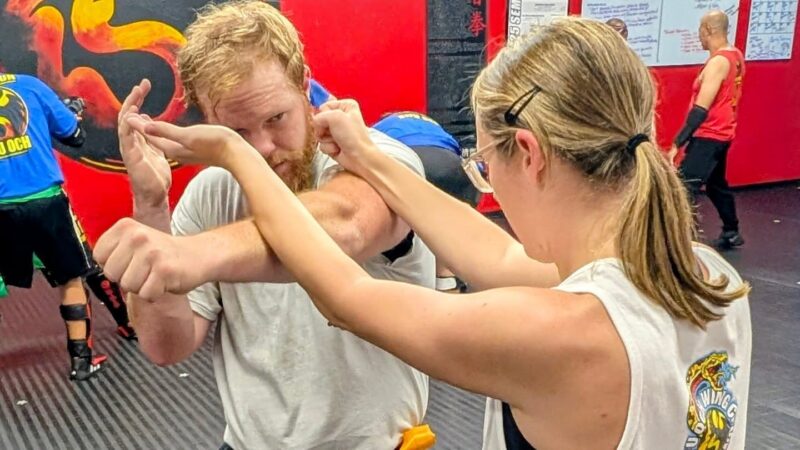
What to Expect When You Start Training
Schools organize their beginner programs differently, so ask what your introductory lesson includes. Knowing the format ahead of time can reduce uncertainty and help you arrive prepared.
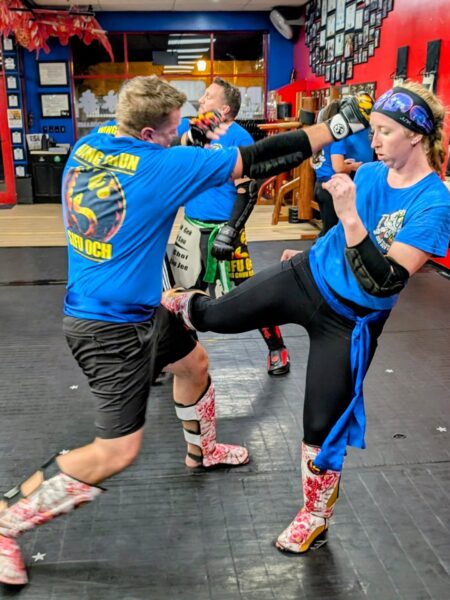
A first session may include a warm-up, basic positions, a short movement sequence, or a supervised partner exercise. Some schools place beginners in a separate class, while others provide individual guidance within a mixed group.
You should receive clear instructions about contact, equipment, and how to stop an exercise if you need help.
Learning Through Demonstration and Practice
Watching an instructor demonstrate a movement gives you a reference point. Practicing it yourself helps you discover which parts you understand and which need clarification.
Expect to repeat exercises. Repetition gives you opportunities to apply feedback and become more comfortable with unfamiliar actions.
A good correction should be specific enough to use. “Keep your balance as you step” is more helpful than simply being told that the movement is wrong.
You do not need to perform perfectly to have a productive lesson. Understanding one new idea or making one useful adjustment is progress.
Working With a Training Partner
Partner practice can help you explore distance, positioning, and coordination. It also introduces the responsibility of helping another person learn safely.
Beginners should understand the exercise before resistance or speed increases. A cooperative drill provides a starting point; more challenging practice can follow as students become ready.
Your partner should respect instructions and boundaries. You should feel comfortable asking to slow down, requesting another explanation, or calling the instructor over.
Controlled sparring may be part of a school’s curriculum, but participation expectations vary. Ask when it is introduced and whether it is optional before enrolling.
Developing Confidence Through Familiarity
Your first visit may feel unfamiliar simply because everything is new. Over time, recognizing classmates, understanding the routine, and remembering exercises can make participation more comfortable.
Confidence does not have to mean becoming the strongest person in the room. It can mean speaking up when you need help, attempting a challenging exercise, or returning after a frustrating lesson.
Notice these smaller changes rather than judging every class by technical performance. Learning tends to include easier days and harder ones.
Finding the Right Beginner Program in Lakeland
A welcoming school should help you understand its approach before asking you to commit. An introductory visit is an opportunity to assess both the teaching and the environment.
Observe how instructors respond to new students. Do they explain unfamiliar terms? Do they offer useful corrections? Do experienced students treat beginners respectfully?
You should leave with a clearer understanding of what training involves and what your next steps would be.
Questions to Ask Before Joining
Ask whether the school welcomes adults with no experience and how instructors help them get started. Find out what a typical beginner class includes and how students progress.
Discuss contact levels, sparring expectations, class schedules, and membership terms. Ask what clothing or equipment you need for your first visit.
These questions help you make a practical decision. The right program should fit your goals, comfort level, and weekly routine.
Take the First Step at Your Own Pace
You do not need to wait until you feel completely confident to explore martial arts. Start by asking questions, observing a lesson, or arranging an introductory class.
At Sifu Och Wing Chun in Lakeland, contact the school to discuss beginner training and explain what you hope to learn. Whether your interest is self-defense, physical activity, or trying something new, a conversation with an instructor can help you decide where to begin.