


Do You Need to Be in Shape to Start Martial Arts? Try a Free Week in Lakeland
No, you do not need to be in shape to start martial arts. And yes, Sifu Och Wing Chun in Lakeland, Florida, offers a free one-week trial for new students.
You don’t need six-pack abs, impressive flexibility, previous fighting experience, or the endurance of an athlete to begin learning Wing Chun Kung Fu or kickboxing.
Many people consider martial arts because they want to become stronger, improve their stamina, gain confidence, or develop practical self-defense skills. Those are goals you can work toward through consistent training, not requirements you must already meet.
At Sifu Och Wing Chun, beginners can explore Wing Chun, Sanda-influenced kickboxing, and fitness programs in a structured environment.
The free-week trial offers an opportunity to experience the instruction, meet the team, and discover which program fits your interests before deciding whether to continue.
Do I Need to Be Physically Fit Before Starting Martial Arts?
One of the most common misconceptions about martial arts is that students must already be physically fit to participate.
People sometimes imagine that their first class will involve endless push-ups, complicated techniques, or intense sparring against experienced students.
In reality, an appropriate beginner class should introduce fundamental movements and progressively build skills.
You might begin by learning your stance, practicing simple hand techniques, or working on coordination and balance.
These activities can help you become more comfortable with movement before tackling more demanding drills.
Fitness matters in martial arts, but it develops through practice.
The important starting point is choosing instruction that accommodates your present abilities while giving you opportunities to improve.
What If I Get Tired Easily?
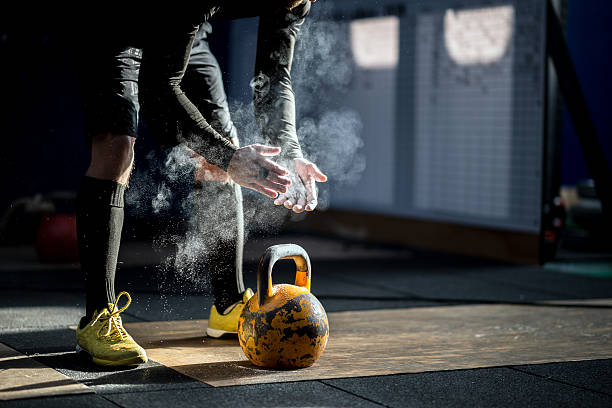
Getting tired during a new activity is normal.
Even someone who walks regularly or lifts weights may discover that martial arts uses unfamiliar movements and challenges their coordination in different ways.
Fortunately, beginners don’t need to keep pace with advanced practitioners.
A responsible training environment should allow appropriate breaks, technique adjustments, and gradual progression.
For example, you might initially practice a short series of punches with a focus on balance and correct positioning. As you become more comfortable, you can work toward longer combinations and greater intensity.
Progress takes consistency rather than trying to accomplish everything during the first week.
What If I’m Overweight or Haven’t Exercised in Years?
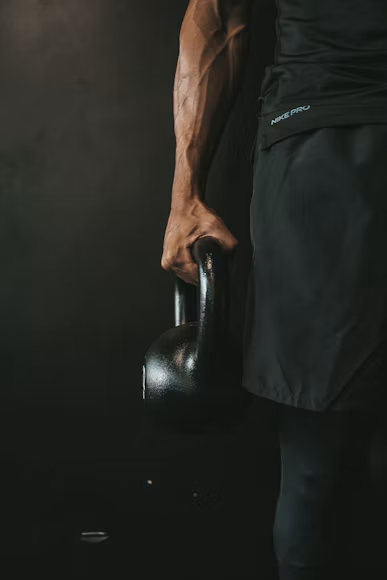
You can explore martial arts without first reaching a particular weight or fitness milestone.
Your current conditioning helps determine the appropriate intensity of training, but it does not automatically prevent you from learning the basics.
The same principle applies to people returning to exercise after a long break.
You may need more time to rebuild stamina, improve mobility, or become comfortable with physical activity.
A suitable class should help you progress from your current starting point.
If you have significant health concerns, a long period of inactivity, or symptoms that affect exercise safety, speak with a healthcare professional and your instructor about appropriate participation.
Can Martial Arts Help You Get in Better Shape?
Martial arts can provide an engaging way to work on several components of physical fitness.
Different activities develop different abilities. Wing Chun, kickboxing, and general fitness training offer complementary approaches.
Cardiovascular Endurance
Practicing footwork, striking combinations, and movement drills can challenge your cardiovascular system.
As your conditioning develops, you may find it easier to complete longer practice periods.
Results depend on consistency, intensity, recovery, and individual health.
Strength and Muscular Endurance
Martial arts requires repeated movement from the arms, legs, and core.
Stances, controlled striking, bodyweight exercises, and resistance-based activities can contribute to muscular endurance.
You don’t need to begin with exceptional strength.
Instead, you can work on improving technique and physical capacity together.
Balance, Flexibility, and Coordination
Learning martial arts introduces movement patterns that many adults rarely practice in everyday life.
Shifting weight, maintaining stance, coordinating your hands and feet, and changing direction all require attention.
These activities can help you practice balance and body awareness.
Improvement develops over time, particularly when students focus on controlled, accurate movement.
Motivation and Consistency
Many people struggle to maintain exercise routines because they become bored with repetitive workouts.
Martial arts introduces skills to learn and progressively refine.
Rather than measuring every session only by calories or repetitions, you can also recognize progress through better coordination, improved technique, and growing confidence.
For some beginners, that sense of learning provides an additional reason to stay active.
Is Wing Chun a Good Martial Art for Beginners Who Are Out of Shape?
Wing Chun Kung Fu emphasizes positioning, efficient movement, balance, and close-range techniques.
Instead of requiring every student to begin with elaborate kicks or exceptional athleticism, foundational lessons introduce manageable movements and technical principles.
For example, a beginner might first learn how to maintain a stable stance, protect their centerline, and coordinate simple hand movements.
These are technical skills that can be practiced progressively.
However, Wing Chun still requires physical effort. As training advances, students may encounter more demanding drills, partner exercises, and conditioning.
The advantage for a beginner is the opportunity to work on skill development without assuming that strength or stamina must already be at an advanced level.
At Sifu Och Wing Chun, instructors can discuss your goals and help identify a suitable starting point.
Is Kickboxing Too Intense for Someone Who Isn’t Fit?
Kickboxing can be physically demanding, but beginner training does not have to begin at maximum intensity.
Early lessons may include basic punches, kicks, footwork, combinations, and controlled conditioning exercises.
A beginner can focus on learning movements correctly before increasing pace or difficulty.
For example, practicing a simple punching combination on pads involves timing, coordination, and movement. As those skills improve, longer combinations and additional conditioning can increase the challenge.
Sanda-influenced kickboxing also introduces concepts involving distance, balance, and practical striking.
Some students choose kickboxing primarily for fitness. Others want to learn striking techniques and self-defense principles.
Both are reasonable goals.
The important consideration is finding a class that matches your experience and offers an appropriate progression.
What Happens During Your First Martial Arts Class?
Your first class should introduce the training environment and help you understand what to expect.
At Sifu Och Wing Chun, the introductory process provides an opportunity to discuss your interests and explore which program might suit you.
You do not need to know martial arts terminology or arrive with a background in self-defense.
A beginner’s experience may include:
- Meeting an instructor and discussing your goals.
- Learning basic safety expectations.
- Practicing fundamental movements.
- Trying simple coordination or striking drills.
- Observing how the class is structured.
- Asking questions about future training.
The exact activities depend on the class you attend.
Some sessions emphasize Wing Chun fundamentals, while others focus on kickboxing or general conditioning.
The important goal for your first visit is to learn about the experience, not demonstrate advanced ability.
Are Free Martial Arts Trial Classes Available in Lakeland?
Yes. Sifu Och Wing Chun offers a free one-week trial for prospective students.
The trial is intended to help beginners become familiar with the academy’s instruction, available classes, and training environment.
Rather than trying to judge a martial arts program entirely through photographs or descriptions, you can experience how it feels to participate.
You can see how instructors explain techniques, observe the class atmosphere, and determine whether the training matches your interests.
What Can You Learn During a Free Week?
A one-week trial can help answer questions that are difficult to resolve before visiting.
Is the instruction beginner-friendly? Notice whether the instructor explains fundamentals clearly and supports new students.
Do I enjoy the training? Some people prefer the technical focus of Wing Chun, while others enjoy the movement and conditioning of kickboxing.
Does the schedule fit my routine? Ask about available class times and which sessions are appropriate for your experience.
Can I see myself continuing? Consider whether you enjoy the learning process and feel comfortable asking questions.
One week will not make someone an advanced martial artist or produce dramatic fitness changes.
However, it can provide useful insight into whether the program suits your goals.
Do I Have to Bring My Own Equipment?
According to the academy’s published information, basic class equipment is provided for introductory training.
Specialized personal sparring equipment may be required for students who later participate in certain contact activities.
Before your first visit, confirm what clothing to wear and whether anything specific is needed for your selected class.
What About Enrollment Discounts?
Sifu Och Wing Chun also advertises promotional enrollment offers, including a 50% enrollment discount.
Promotions may have eligibility requirements and specific terms, so ask the academy which offers apply if you decide to become a member.
A trial is an opportunity to experience the instruction before making that decision.
What If I’m Nervous About My First Class?
Feeling uncertain about starting something unfamiliar is common.
You may wonder whether everyone else will be more athletic, whether you will remember the techniques, or whether you’ll stand out as a beginner.
In practice, every experienced martial artist was once a beginner.
The purpose of introductory instruction is to give students a starting point.
You are not expected to memorize complicated combinations immediately.
Instead, pay attention to how the instructor teaches and whether you feel comfortable asking for clarification.
If you have concerns about fitness, an injury, or a previous training experience, discuss them before participating.
A good first class should help you understand the learning process rather than leave you guessing about expectations.
How Do You Choose Between Wing Chun and Kickboxing?
Your choice depends on the experience you want.
Wing Chun Kung Fu may appeal to students interested in traditional Chinese martial arts, close-range self-defense principles, positioning, and technical development.
Sanda-influenced kickboxing may appeal to students who enjoy striking, footwork, conditioning, and more athletic movement.
Fitness classes may be attractive if your main objective is regular exercise, improved conditioning, and a structured activity.
These goals are not mutually exclusive.
Someone who begins with fitness may become interested in self-defense. Likewise, a student attracted to traditional Wing Chun may discover that they enjoy the physical conditioning involved.
Sifu Och Wing Chun offers several training options under one roof, allowing prospective students to explore an approach aligned with their interests.
Frequently Asked Questions About Starting Martial Arts
Do I need to lose weight before joining martial arts?
No. You do not need to reach a particular weight before exploring beginner martial arts training. Choose an appropriate class and discuss any relevant health concerns with your instructor.
Can I start martial arts if I have never exercised regularly?
Yes, provided the activity is appropriate for your health and physical abilities. Beginners should start at a manageable intensity and progress gradually.
Will I have to spar during my first class?
Beginners should not assume that sparring is required. Ask about the specific class, contact expectations, and how instructors introduce partner drills.
Can older adults start Wing Chun or kickboxing?
Many adults begin martial arts later in life. Appropriate instruction should consider fitness, mobility, health, and individual goals.
Does Sifu Och Wing Chun offer a free trial?
Yes. The academy advertises a free one-week trial for prospective students in Lakeland, Florida.
Is equipment included during the trial?
Basic class equipment is provided according to the academy’s published information. Confirm any clothing or equipment requirements before attending.
Do I need to sign up for membership before trying a class?
The free-week trial is designed to help prospective students experience training before deciding whether to continue. Confirm the current registration process and promotional terms when booking.
Start Where You Are, Not Where You Think You Should Be
You do not need to become fit before beginning martial arts. A suitable training program should help you develop skills while working toward better conditioning.
You also do not need to know which style you prefer before experiencing a class.
At Sifu Och Wing Chun Kung Fu in downtown Lakeland, Florida, beginners can explore Wing Chun, Sanda-influenced kickboxing, and fitness instruction.
Our academy offers a free one-week trial, providing an opportunity to meet the instructors, experience training, and decide whether the program fits your goals.
If you’ve been thinking about martial arts but haven’t known where to begin, your first step can be as simple as visiting a class.
Continue Exploring Martial Arts at Sifu Och Wing Chun
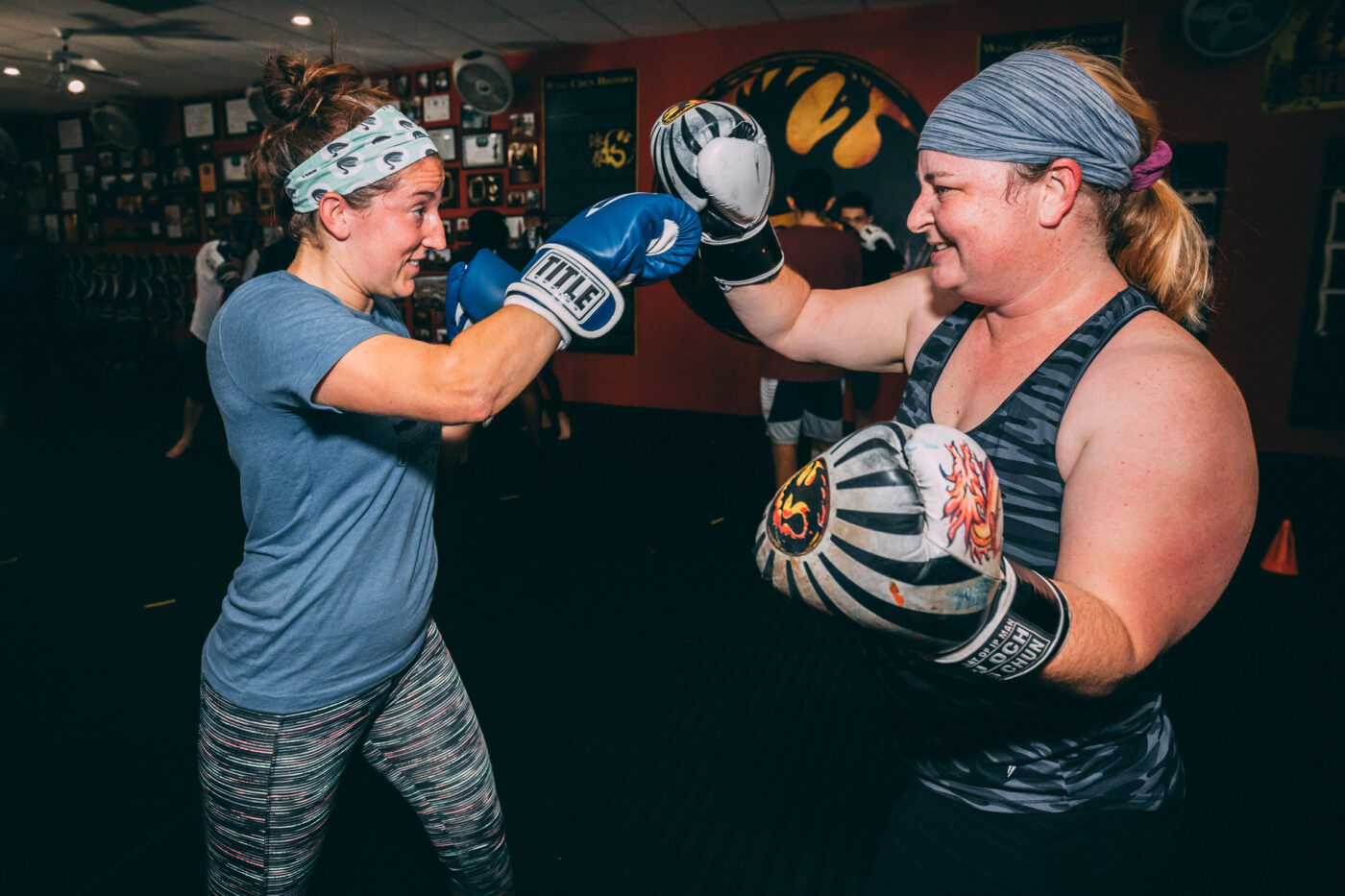 Kickboxing for Fitness or Self-Defense: What’s Right for You?
Discover how kickboxing can support fitness goals
and how self-defense training introduces additional skills.
Read the Kickboxing Guide →
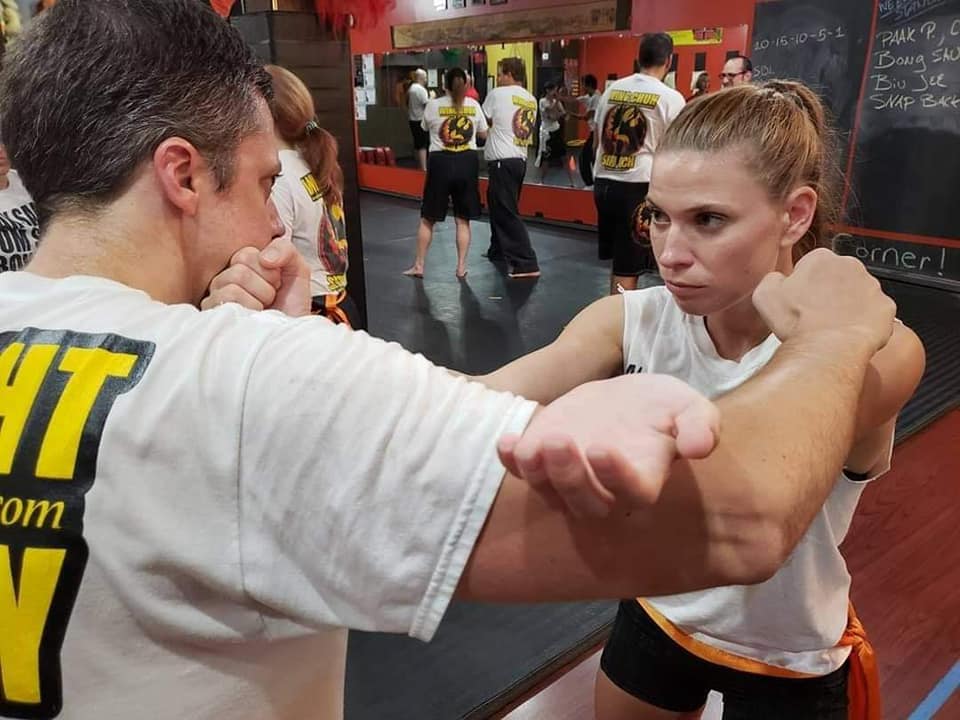 How to Progress Through the 3 Stages of Martial Arts Training
Learn why beginners sometimes feel overwhelmed
and how the stages of learning can help you stay motivated.
Explore Beginner Progress →
My First Year of Wing Chun: A Student’s Experience
Read a student’s firsthand account of learning
new skills, facing challenges, and building confidence.
Read the Student Story →
Kickboxing vs. Pilates: Which One Is Better?
Compare two different approaches to fitness,
movement, conditioning, and personal exercise goals.
Compare Fitness Options →
 Never Give Up in Wing Chun
Understand why making mistakes, practicing
consistently, and learning gradually are part of martial arts.
Read the Motivation Article →
Explore your free-week trial at Sifu Och Wing Chun, 116 East Pine Street, Lakeland, Florida, and discover a training experience that works for your starting point.