

Kickboxing has become one of the world’s most popular combat sports and martial arts. It’s also a sport that suffers from many kickboxing misconceptions. Whether people discover it through professional competition, fitness classes, movies, or martial arts schools, kickboxing has a reputation for being fast, powerful, and physically demanding.
But popularity also creates misconceptions.
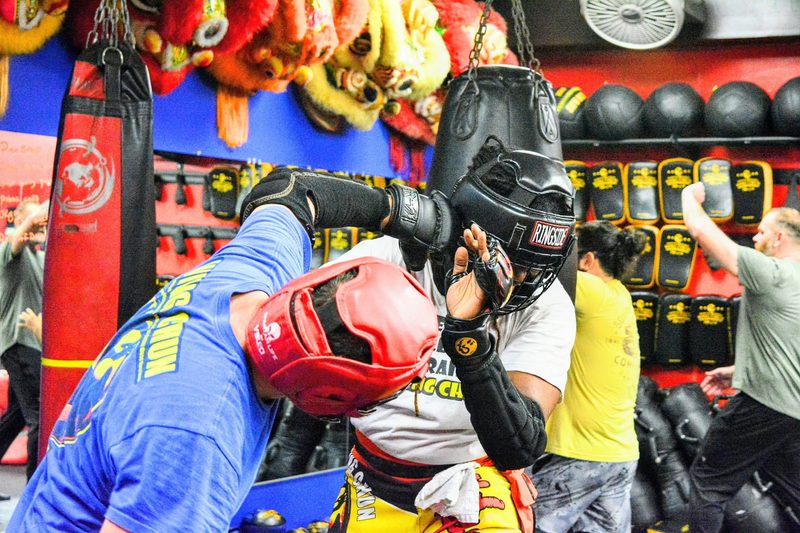
7 Biggest Kickboxing Misconceptions: What People Get Wrong
Some people think kickboxing is nothing more than punching and kicking. Others believe you need to be young, extremely fit, or naturally aggressive to participate. Some assume kickboxing is simply a way to prepare for competition, while others confuse it with Muay Thai or traditional boxing. The reality is considerably more interesting.
Let’s look at seven of the most common misconceptions about kickboxing and separate the myths from what actually happens in training.
1. Kickboxing Is Just Punching and Kicking
At first glance, this seems like a reasonable description, but a hurtful misconception. After all, the name “kickboxing” suggests exactly that: boxing combined with kicking. But effective kickboxing involves much more than knowing how to throw punches and kicks. Good training includes footwork, balance, distance management, timing, defense, combinations, movement, conditioning, and learning how to respond to an opponent’s actions.
A technically good kickboxer isn’t simply someone who can throw a hard roundhouse kick or a fast combination. They need to understand when to attack, when to defend, how to create openings, and how to control distance. Even a basic technique such as a jab can have many purposes. It can score, disrupt an opponent’s rhythm, establish distance, set up a kick, or create an opening for another attack.
The punches and kicks are the tools. The real skill lies in knowing how to use them.
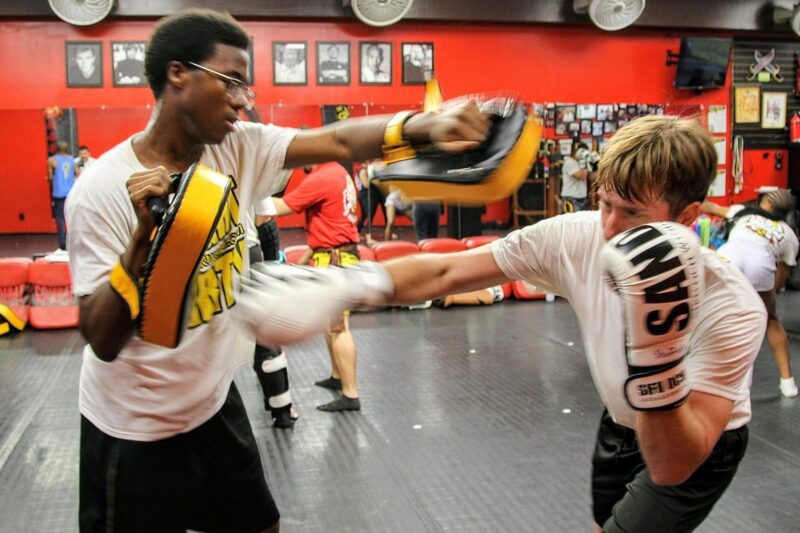
2. You Have to Be Extremely Fit Before Starting Kickboxing
This misconception keeps many people from walking through the doors of a kickboxing gym. They see experienced practitioners moving quickly through combinations and assume they need to already be in great shape before they can participate.
It’s usually the opposite.
Beginners train at an appropriate level and gradually develop their fitness. Regular kickboxing training can improve cardiovascular endurance, coordination, balance, strength, mobility, and overall conditioning. You don’t need to arrive at your first class already looking like a professional fighter.
In fact, one of the benefits of training is that your fitness can improve along with your technical ability. Of course, kickboxing can be physically demanding, and beginners should expect to work hard. But a good instructor should be able to modify exercises and intensity for different experience and fitness levels.
3. Kickboxing Is Only for People Who Want to Fight
This is one of the biggest misconceptions. While kickboxing can certainly prepare someone for competition, competitive fighting is only one reason people train. Many practitioners train because they enjoy the exercise, want to learn martial arts, want to develop confidence, improve coordination, relieve stress, or simply enjoy the challenge of learning something new.
Kickboxing can provide an engaging alternative to traditional gym workouts. Instead of spending an hour on a treadmill or lifting weights without much variation, students can spend that time learning combinations, working pads, hitting a heavy bag, practicing footwork, and developing new skills.
And you don’t have to compete. A good kickboxing gym should be able to accommodate people who want to become competitive fighters as well as people who simply want to train for fitness and personal development.
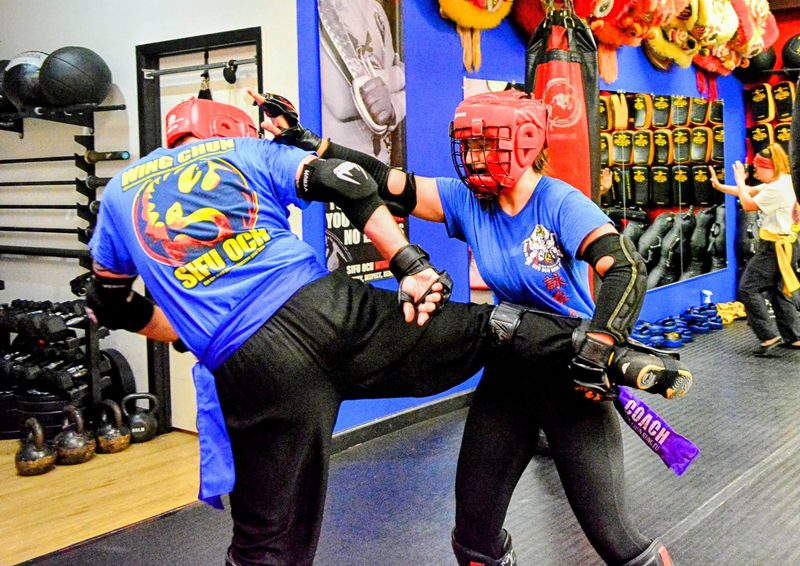
4. Kickboxing and Muay Thai Are the Same Thing
Kickboxing and Muay Thai are closely related, but they aren’t identical. The confusion is understandable because both involve punches, kicks, knees, and intensive stand-up training. However, different kickboxing rulesets and traditions have different techniques and strategies.
Muay Thai traditionally places significant emphasis on the use of the eight limbs—hands, feet, elbows, and knees—and has a distinctive approach to clinching, balance, rhythm, and fighting strategy. There are also differences in stance, movement, scoring, defensive strategies, and training culture.
So while there is substantial overlap, it’s more accurate to think of kickboxing and Muay Thai as related striking arts with important differences, rather than treating them as exactly the same thing.

5. Kickboxing Training Means Getting Hit All the Time
Some people imagine that joining a kickboxing gym means immediately getting thrown into hard sparring. That’s not how quality training has to work.
Beginners typically spend considerable time learning fundamentals before they are expected to handle more complex or intense training. Pad work, bag work, technical drills, footwork exercises, and partner drills can all develop skills without requiring hard contact. Sparring, when offered, can also be structured at different levels of intensity.Technical sparring can allow students to practice timing, distance, defense, and combinations without trying to knock each other out.
Hard sparring is not a requirement for everyone. In fact, constantly training at maximum intensity can be counterproductive. It increases fatigue and injury risk and can interfere with the technical learning process. A well-run gym should understand the difference between training hard and training recklessly.
6. You Have to Be Aggressive to Be Good at Kickboxing
Kickboxing is an aggressive-looking sport, but that doesn’t mean successful practitioners have to be naturally aggressive people. In fact, uncontrolled aggression can create problems. A good kickboxer needs discipline and composure. They need to remain calm when an opponent attacks, manage their breathing, recognize openings, and make decisions under pressure. Rushing forward without a plan isn’t the same as being effective.
Experienced fighters often appear relaxed because they have learned to conserve energy, maintain position, and choose their attacks carefully. Training can also teach people to separate controlled intensity from emotional aggression. You can train hard, hit pads with power, and compete seriously while still being respectful and controlled outside the gym.

7. Kickboxing Is All About Power
Power is certainly useful in kickboxing, but it isn’t everything. A fighter who can hit extremely hard but cannot manage distance, maintain balance, defend themselves, or land accurately will have significant weaknesses.
Conditioning matters. A powerful fighter who becomes exhausted after a short period may struggle against someone who can maintain a high level of performance for several rounds. This is why good kickboxing training develops multiple attributes rather than focusing exclusively on hitting harder. The goal isn’t simply to produce the strongest punch or kick. It’s to develop a complete striking skill set.
Understanding Kickboxing Beyond the Myths
Kickboxing is often presented in extremes.
To some people, it’s simply a brutal combat sport where participants spend their time trying to knock each other out. To others, it’s primarily a fitness workout involving punching and kicking combinations.
Neither description tells the whole story and just spreads misconceptions. Kickboxing can be a competitive sport, a martial art, a fitness activity, or a combination of all three. The experience depends heavily on the gym, instructor, training methods, and goals of the individual student.
If you’re considering trying kickboxing, don’t assume you need to be fit, aggressive, experienced, or interested in competition before you start.
Visit a reputable gym, observe a class, talk to the instructor, and find out how they work with beginners. You may discover that kickboxing isn’t simply about learning how to punch and kick. It’s about learning how to move, think, react, adapt, and remain composed under pressure.
And that’s what makes it such a fascinating martial art to study. :::